Best Hexagonal Wire Mesh Uses and Applications?
hexagonal wire mesh is a versatile material found in various applications. Its unique design features hexagon-shaped openings, which provide strength and durability. This makes it suitable for a range of uses in construction, agriculture, and industry.
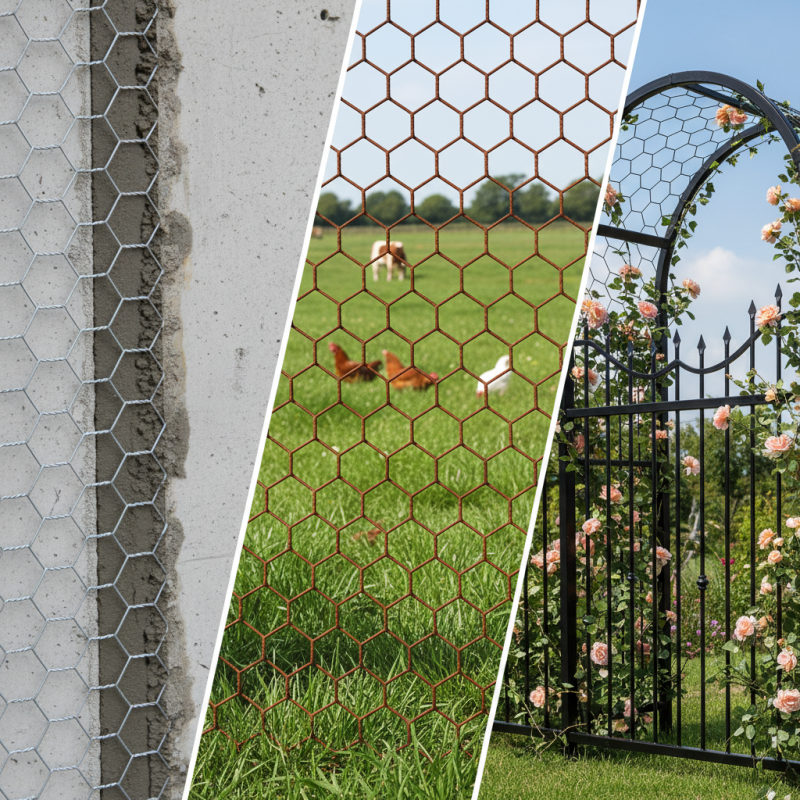
In construction, hexagonal wire mesh often reinforces concrete structures. It aids in providing stability and reducing the risk of cracking. Additionally, this mesh is used in animal enclosures and fencing. Farmers utilize it to protect crops and livestock, ensuring safety and security.
Beyond this, hexagonal wire mesh can also serve aesthetic purposes. It is used in decorative fencing and landscaping projects. Its various applications showcase its flexibility and cost-effectiveness. However, it is essential to consider the environment and maintenance. For instance, rust and corrosion can be potential issues over time. Thus, selecting the right type and treatment for specific uses is crucial.
Overview of Hexagonal Wire Mesh
Hexagonal wire mesh often serves diverse industrial and agricultural applications. This mesh structure, made from wire twisted together, is known for its strength and versatility. According to a report by the International Wire and Mesh Association, the global demand for wire mesh products is projected to grow by 5% annually.
In construction, hexagonal wire mesh is frequently used for reinforcement in concrete and other building materials. It provides support and enhances durability. A technical study highlighted that projects utilizing quality wire mesh saw a 20% reduction in cracking. Farmers also utilize this type of mesh for fencing around gardens and livestock. Its design allows for adequate protection while enabling airflow and visibility.
However, users should be cautious about the quality. Not all hexagonal wire meshes meet industry standards. Poor-quality mesh may corrode over time, leading to safety issues. Some reports indicate that improper installation can void warranties. Therefore, selecting the right type of mesh for specific applications is crucial for long-term performance.
Best Hexagonal Wire Mesh Uses and Applications
This chart presents the various applications of hexagonal wire mesh, demonstrating its diverse utility in multiple industries. The percentages indicate the relative importance of each application.
Common Materials Used in Hexagonal Wire Mesh
Hexagonal wire mesh is widely used in various applications due to its versatile material options. Common materials include galvanized steel, stainless steel, and PVC-coated wire. Galvanized steel is a favorite for its resistance to rust. It is often used in construction and fencing. A report by the Global Wire Mesh Market indicates that the galvanized steel segment holds over 40% market share.
Stainless steel is known for its durability and aesthetic appeal. It often appears in architectural designs and industrial applications. A recent study from the Stainless Steel Institute found that stainless steel's corrosion resistance extends product lifespan by at least 30%. PVC-coated wire offers vibrant colors and additional corrosion protection. It is commonly found in residential fencing and decorative projects.
These materials each have their pros and cons. While galvanized wire is cost-effective, it can corrode over time in harsh environments. Stainless steel may be more expensive, but offers long-term savings through its durability. PVC coatings can also wear down, requiring replacements. It’s essential to evaluate the specific needs of a project to choose the right material.
Primary Applications in Agriculture
Hexagonal wire mesh serves various essential roles in agriculture. Farmers often use this mesh for fencing. It effectively keeps livestock contained and protects gardens from wild animals. The unique hexagonal design provides strength and flexibility. This is crucial for withstanding harsh weather or impact.
In addition, hexagonal wire mesh supports erosion control in agricultural fields. Planting seeds can sometimes lead to soil displacement. Using this mesh helps stabilize the soil. It creates a barrier that maintains structure and retains moisture. Farmers find this feature particularly valuable during heavy rains.
Plant nurseries also benefit from hexagonal wire mesh. It allows for proper airflow while providing necessary protection. Seedlings are vulnerable and require a safe environment. Yet, the mesh must balance security and accessibility. Choosing the right gauge and spacing is key here. Issues might arise if the mesh is too compact, restricting growth. Even small design errors can lead to significant setbacks. This highlights the need for careful consideration in agriculture.
Best Hexagonal Wire Mesh Uses and Applications
| Application Area | Description | Benefits |
| Animal Enclosures | Used to create secure fences around livestock and poultry. | Durable, flexible, and provides visibility while keeping animals secure. |
| Garden Protection | Protects gardens and plants from pests and larger animals. | Cost-effective and easy to install; allows sunlight and rain to reach plants. |
| Soil Erosion Control | Used in landscaping to stabilize soil on slopes and prevent erosion. | Durable and effective in holding soil together while allowing vegetation to grow. |
| Plant Support Structures | Provides support for climbing plants and vines in gardens and greenhouses. | Lightweight, easy to handle, and enhances aesthetic appeal of structures. |
| Compost Bins | Used to build compost bins that allow airflow for efficient composting. | Promotes better decomposition and is durable against the elements. |
Utilization in Construction and Landscape Design
Hexagonal wire mesh is versatile and widely used in construction and landscape design. It provides strong support for various applications. In construction, this mesh acts as reinforcement for concrete structures. It enhances strength while allowing for flexibility. This is particularly beneficial in areas prone to shifting soil.
In landscape design, hexagonal wire mesh serves multiple purposes. It can create natural-looking fences. It also supports climbing plants, adding greenery to walls. Gardeners often use it to manage soil erosion. This mesh can be shaped to fit different terrains. The unique hexagonal shape prevents the mesh from sagging.
Tips: When using hexagonal wire mesh, consider your local climate. It should withstand wind, rain, and other weather conditions. Think about aesthetics too. The right color and finish can complement your landscape design beautifully. Make sure to check the gauge of the wire for durability. Thicker wires offer more strength but can be harder to work with.
Reflect on any limitations before starting your project. Hexagonal wire mesh may not fit every design vision. It's essential to think creatively about how to incorporate it. Sometimes, alternative materials might be a better choice. Stay open to experimentation to achieve the best results.
Environmental Benefits of Hexagonal Wire Mesh
Hexagonal wire mesh is an innovative solution with several environmental benefits. Its unique shape allows for effective drainage and supports vegetation growth. This makes it an excellent choice for sustainable landscaping projects. Operators often use it in soil erosion control. The structure provides durability while maintaining a natural look.
Using hexagonal wire mesh can also minimize plastic waste. Many applications replace traditional materials with this eco-friendly option. It’s widely utilized in garden fencing and wildlife barriers. These usages help preserve local ecosystems. However, proper installation is crucial. If not installed well, it might damage the surrounding environment.
Through various projects, users often notice that hexagonal wire mesh can be adapted to meet diverse needs. It enhances soil stability and promotes biodiversity. Identifying the right applications may require experimenting with different scenarios. This could spark creativity and inspire further sustainable practices.